Introduction
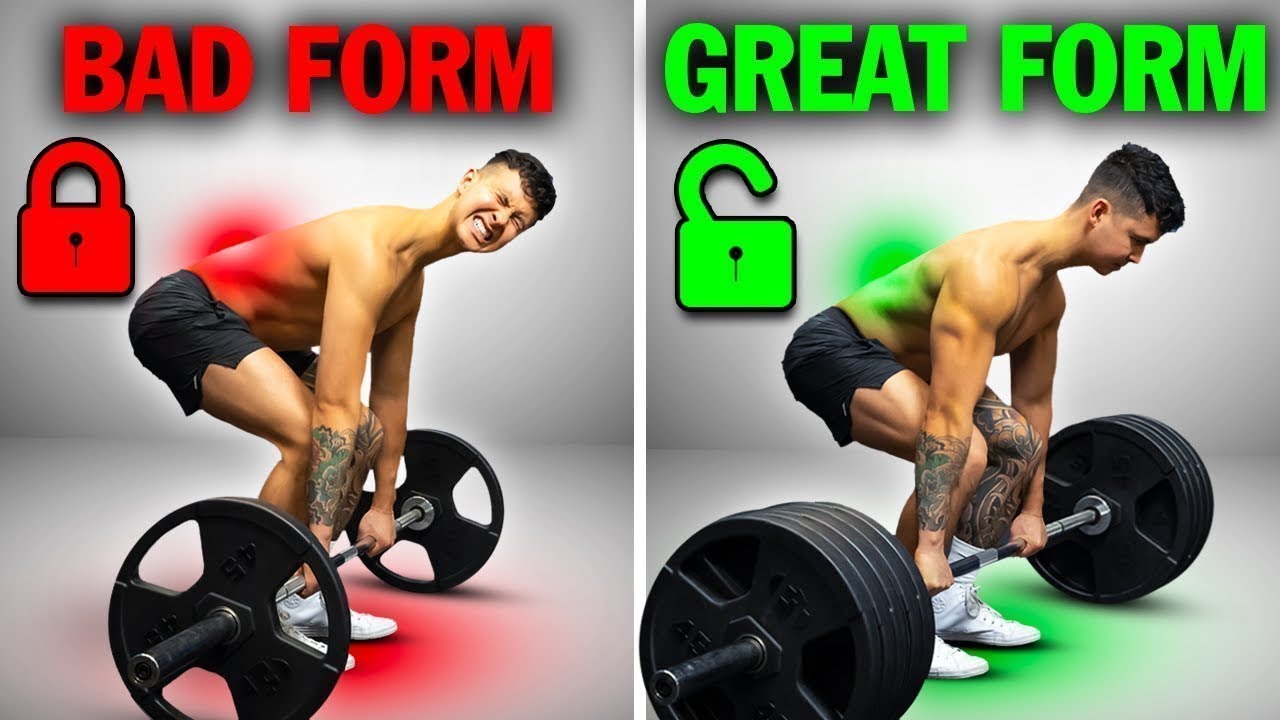
It is essential that you exercise by the right form. Irrespective of whether you are an athletic person or a beginner, proper technique is vital, and this is because it determines the desired outcome and minimizes the risk of getting hurt. This paper covers why form matters, how to ensure form, and how proper form can result in maintaining good posture and alignment during exercise.
Knowing Proper Form
Proper form refers to the correct posture and alignment of the body when doing your exercises. This entails where you put your body, the angle of your limbs, and how you move your limbs. With each workout comes a specific form requirement that will best hit your muscles while keeping you safe.
Essential Elements of Correct Form
Positioning: Your body needs to maintain proper alignment during the exercise so you won't be putting too much pressure on your joints.
Technique: The different movement patterns and range of motion for each exercise.
Control: You are able to maintain a smooth, consistent tempo for the movement.
Breathing: You have good breathing technique that can support your movements.
Why Good Form Matters
1. Injury Prevention
The number one reason for using proper form is, naturally, to avoid injuries. Poor technique will cause you to suffer through more strains, sprains, and a host of other injuries that will have you out on the sidelines exercising or training.
Common Injuries from Poor Form:
Lower Back Pain: This is commonly attributed to poor positioning while performing exercises such as deadlifts or squats.
Knee Injuries: Poor positioning of the knees when performing movements such as lunges usually leads to a painful and injured knee.
Shoulder Injuries: Technically, poor form during pressing and pulling exercises tends to strain the shoulders.
2. Maximum Results
Proper form also makes sure that you are hitting the right muscles. In other words, your workouts are done in a more efficient manner, which hence leads to better results in strength, endurance, and muscle growth.
How Proper Form Maximizes Results:
Targeting the Right Muscles: Correct form ensures that the prime muscles work, and your workouts become more effective.
Improves Muscle Activation: Proper technique would also enhance fiber recruitment in muscles, and better gains would then be expected.
Full Range of Motion: Proper form allows for maximum range of motion, a component that lends itself to flexibility and strength.
3. Better Performance
Good form results in improved performance as a whole in both strength training and athletic sports. You will find that you are lifting more weight, running faster, or performing better in your sport when moving with proper form.
4. Increased Confidence
Knowing whether you are executing exercises correctly may make you feel more confident at the gym. It will encourage one to try out new activities, use heavier weights, or even push limits without fearing the injury.
Tips for Good Form
1. Master the Fundamentals
Master some of the basic movements before learning and executing complex ones. Master the exercise of squats, lunges, and pushups; ensure you have a very clear understanding of the right form they should be in.
2. Get Professional Help
If you are unsure of whether your form is right or not, you can hire a personal trainer. Your trainer can give you feedback on the type of form you should be doing; correct several techniques; and help you develop the proper form foundation.
3. Use Mirrors and Video
You can employ the mirrors provided by the gym or use recording devices to record you as you train to know whether your form is correct or not. This will allow you to automatically correct yourself.
4. Start Slow
Start with the slowest possible tempo. Your aim here is to control the entire movement, so take as long as you feel is necessary.
You can start with lighter weights or even no weights at all when learning new exercises. This is one way of first mastering the movement pattern before adding resistance.
5. Core Stability
The core refers to the middle part of your body, which needs to be stable enough so as to get hold of the right position in many types of exercise. Hence, you should look after your core muscles so that they support while you move, and your alignment remains upright.
6. Be Conscious of Your Breathing
Breathing: maintains proper form. Breath in lowering (eccentric) and breathe out when lifting (concentric) during an exercise. This can help stabilize your core as well as increase overall control.
7. Listen to Your Body
Pay attention to how it feels in your body while doing a movement. If it does not feel right, something might be off with your form. Then do not be afraid to stop and reassess.
General Exercises and Their Proper Variation
1. Squats
Feet Position: A little wider than shoulder-width apart with your toes pointingly outward.
Movement: You back your hips down to where you'd sit down on a chair with a straight back and up chest. Your knees curve out over your feet and not in.
2. Deadlifts
Feet Position: Hip-width apart; keep the barbell close to your shins.
Movement: Your hips are bent, making your back flat. Your shoulders should be over the bar and your chest up.
3. Push-Ups
Hand Position: Hands a little wider than shoulder-width apart.
Movement: From head to heels. Take your body down as low as you can get it without touching the ground with your chest. Come back up.
4. Lunges
Feet Position: When starting, your feet will be hip-width apart.
Movement: Take a step forward with one leg, dropping your hips so that both knees are bent to approximately 90 degrees. Your front knee should be over your ankle.
5. Bench Press
Feet Position: On the ground, slightly arched in the back.
Movement: Grasp the barbell a little wider than shoulder-width. Lower the bar down onto your chest as your elbows are approximately at a 45-degree angle, then elevate.
The Role of Flexibility and Mobility
Flexibility and mobility also play key roles in maintaining good form. Hunched-up muscles and low range of motion will prevent your muscle groups from performing exercises properly.
1. Integrate Stretching
Increasing flexibility can be achieved by adding regular stretching to your daily routines. That may help you achieve better movement patterns. Do dynamic stretches before the workout and static stretches after the workout.
2. Mobility Work
Add drill of movement to enhance joint function and quality of movement. This can be foam rolling, yoga, or mobility drills targeted on key joints.
Why Consistency Matters
Form is not achieved by just a single exercise session. Good form is required over time because consistency practice reinforces the positive muscle memory within which proper technique comes to become second nature.
1. Habit
Pay attention to your form on every workout, even the lighter versions of the same. This will be the foundation of your fitness journey.
2. Be Reminded
Whenever you find yourself resorting to poor form, remind yourself through some kind of reminder. This may be in terms of notes in your gym bag, visual prompts, or asking your workout buddy to make you aware of such mishaps.
Conclusion
Proper form is very important when working out. It keeps someone free from injuries while maximizing the outcome, improving performance, and boosts one's confidence. If you learn to understand the importance of proper technique and maintain such strategies, it may transform your fitness journey.
Invest the time necessary to understand and practice proper form, and don't be afraid to ask for help when needed. The reward is well worth the toil, leading you through a better health, strength, and empowerment towards the best version of yourself. And remember: it's not about lifting weights; it's about lifting them right!
Post a Comment