Weightlifting has often been defined as a sport or activity of the bodybuilder or professional athlete, yet it is one of the best exercises to begin with as a beginner. The first time a beginner starts weightlifting for himself, he may be intimidating, but great physical, health, and wellness benefits go with it. In this article, we break down the various benefits that beginners have a chance to achieve with weightlifting, peel away common myths regarding it, and provide some tips on how to get started.
Knowledge of Weightlifting
Weight lifting, which is also referred to as strength training or resistance training, is the process of lifting weights for the acquisition of muscular strength and endurance and conditioning for fitness. It involves a set of exercises which can be performed on various body parts and therefore employ free weights, machines, or resistance bands.
Key Elements of Weightlifting
Muscle Groups: Weight lifting exercises involve major muscle groups such as the legs, back, chest, shoulders, and arms.
Types of Lifts: In everyday life, the four commonly used lifts are squat, deadlift, bench press, and overhead press.
Reps and Sets: Sets, usually four to six, is the traditional way that an exercise weightlifting workout gets organized in which reps are repeated.
Why Weightlifting is Good for Beginners
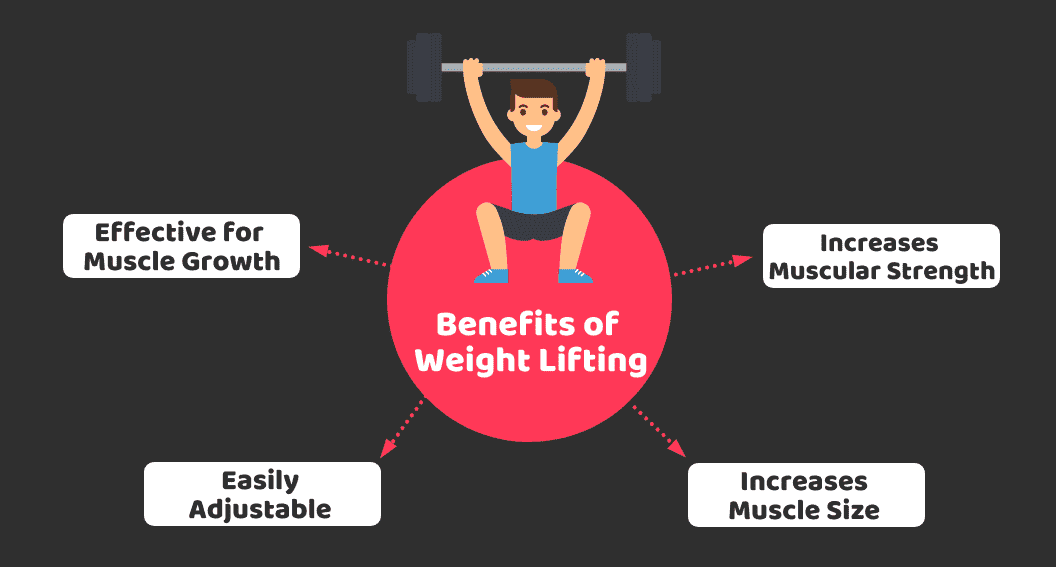
Well it makes muscles very strong and tone better
One of the important advantages of weightlifting is the gain of muscle strength. As an individual, if you add weightlifting to your routine and you are a beginner, it may result in developing an effective muscle foundation which results in even greater toning.
MORE MUSCLE:
Weight lifting will create more muscles wherein the size and strength of muscles are developed by stimulating it.
Functional Strength: A muscle in good strength enables a person to do even minor day-to-day activities ranging from carrying groves to climbing the stairs easily.
2. Boosts Metabolism
Lifting the weights accelerates your metabolism, which can help control obesity levels.
Resting Metabolic Rate: Building muscles increase resting metabolic rate; meaning you burn more calories during rest.
Caloric Burning: Among the types of training that would help burn up calories during the exercise and after working out is resistance, since it requires energy in the repair of muscles.
3. Strengthening Bones
One of the major effects of weightlifting for beginners is on bones.
Bone Density: Weightlifting increases bone density, thus eradicating old age conditions such as osteoporosis as well as fractures.
Joint Health: The fortified muscles surrounding your joints will be strong and will prevent the worst situation of an injury.
4. Improves Mental Well-being
Weightlifting doesn't just keep your body healthy; it profoundly affects mental health as well.
Pick up heavy weights in your routine because boosting muscle will help decrease the symptoms associated with a mood disorder and stress reduction.
Stress Relief: Generally, exercising releases endorphins that help in the prevention and control of stress and enhance moods.
Increased Confidence: The more you follow your weight lifting program, the greater the chances of achieving higher self-esteem and even a better body image.
5. Improves Posture and Balance
Weight training enhances one's posture and balance, both the core health needs.
Core Strength: Most of the weightlifting exercises do not activate the core, therefore improved balance and posture.
Muscular Control: The more you exercise by strength training, the more you develop your proprioception, or the awareness of where your body is in space; the better your proprioception, then the better your coordination and balance.
6. Structured Workout Plan
Weightlifting involves a structured way of exercising for any beginner.
Clearly Set Goals: With clearly defined goals in weightlifting, you will find yourself committed to carrying out your plans.
You will never get bored: Due to the variety of exercises involved, weightlifting makes your workout plans interesting and engaging.
7. Improves Cardiovascular Condition
Although it is correct that weight training mainly tries to boost strength, it can also affect cardio health.
Elevated Heart Rate: Weightlifting can definitely create a cardiovascular effect from intense workouts in trying to make your heart rate rise.
Better Blood Flow: Regular strength training results in better blood circulation, and that is excellent for healthy hearts.
Myths surrounding Weight Training
Myth 1: Weightlifting only for bodybuilders
Actually, many beginners get confused by thinking that weightlifting is only for those who want to have a bodybuilder. That can be the reason why many people don't become involved in strength training.
Fact: Weightlifting is beneficial for anybody, irrespective of the motives. As such, one should expect an increase in overall health, athletic performance, and better control of weight.
Myth 2: You Have to LIFT HEAVY WEIGHTS to SEE RESULTS
There is the most common myth regarding the fact that one has to lift heavy weights in order to gain muscles and strength.
Reality: Newbies can make great progress using light weights and emphasizing the right form and increasing resistance. One needs to learn the art of letting technique be given over the weights not to get injured in the first place.
Myth 3: Weightlifting is Hazardous and Injurious
Some people believe that the act of weightlifting injures a person, especially if one is doing this activity for the first time.
Reality: If done right, weightlifting is safe and effective. In fact, weightlifting can even reduce the likelihood of harm by learning the proper form first and then starting with manageable weights.
-------------------------
Getting Started with Weightlifting
1. Define Your Objectives
Before you start with a weightlifting program, you should clearly define your objectives. What's your purpose in lifting weights? For instance:
You want to build muscles.
You want to boost your total strength.
You want to enhance your athletic performance.
You are on a weight loss mission.
2. Build Your Balanced Training Program
A balanced weightlifting workout should include all major muscle groups. Remember the following rules
Training frequency 2-4 weight lifting exercises per week, and at least one day pass between when you train that same muscle group.
Variation Use both compound exercises and isolation exercises to hit different muscles.
Reps and Sets Do 2-3 sets of 8-12 reps for each exercise.
3. Form
Proper form is the bottom line in safely and effectively working out. Here are a few suggestions:
Take a Class Taking a beginner weightlifting class, or hiring a personal trainer, will help you learn the basics
Check Your Form with Mirrors: Use the mirrors found in most gyms to check and perfect your form.
Bodyweight Exercises First: Master bodyweight versions of the exercises before you go ahead and use the weight. If new, familiarize yourself first with push-ups, squats, and lunges
4. Gradual Progress
As you get comfortable with the usage of weight, you should start increasing your weights gradually
Progressive Overload: It requires one to continually increase the resistance or repetition to continue challenging your muscles.
Pay Attention to Your Body: Pay attention to your body in exercise. Once you start feeling that pain or irritation, reevaluate your form or lighten up on the weight.
5. Importance of Recovery
Recovery forms a crucial part of any weightlifting program, more so to the beginner.
But, before that, let's find out about rest days and their importance in developing muscle mass. Rest Days: Give at least 48 hours of rest to the same muscles between work days, allowing them to recover completely and have enough time to grow.
Nutrition: Provide your body with balanced nutrition intake that will consist of proteins, carbohydrates, and healthy fats for the improvement of muscle repair.
Nutrition for Newbie Weightlifters
1. Protein Intake
The proteins in your body should work to rebuild and build up the muscles. Determine the protein intake at 1.2 to 2.2 grams per kilogram of body weight according to your activity level.
Sources of Protein: Include lean meats, poultry, fish, eggs, dairy, legumes, and protein supplements in your diet.
2. Caloric Intake
You must take the right amount of calories if you're to work out and develop your muscle mass.
Caloric Surplus For muscle building, you will have to maintain a slight caloric surplus wherein you burn lesser calories than what you consume.
3. Hydration
The hydration system also plays a crucial role in having the best performance and recovery.
Hydration Hydrate with at least 8-10 cups of water in a day, but ensure this increases if you have some serious workouts scheduled.
Carbs and Healthy Fats
Carbs will fuel you to take on workout activities and healthy fats will generally help with your health.
Sources of Carbs: Grains, fruits, and vegetables are rich in sustained energy.
Healthy Fats Sources: Add avocado, nuts, seeds, and olive oil in your meals.
Check Your Progress
1. Recording: Make sure you keep a workout journal
One of the ways to keep track of what you do and what happens as time goes by is maintaining a workout diary.
Write Exercises: Do note what you do, the weight that you lift, how many sets and repetitions, for exercise.
Reviewing Progress: You get into a habit to review your journal every now and then to realize just how far you have come and where you still need work.
2. Short-term Goals
You can set up short-term goals that will keep you moving forward in this weightlifting journey.
Workout Period
Celebrate Your Success: Celebrate your small successes, such as lifting more weight, completing more reps, or executing better form.
Conclusion
Weightlifting would be very beneficial for the beginner as it will allow you to develop muscular strength, boost your metabolism, and help to alleviate mental health and general wellness. Get to know the foundation of weightlifting, make your goal picture clear, and ensure that form and recovery can take precedence over everything in your program.
Post a Comment